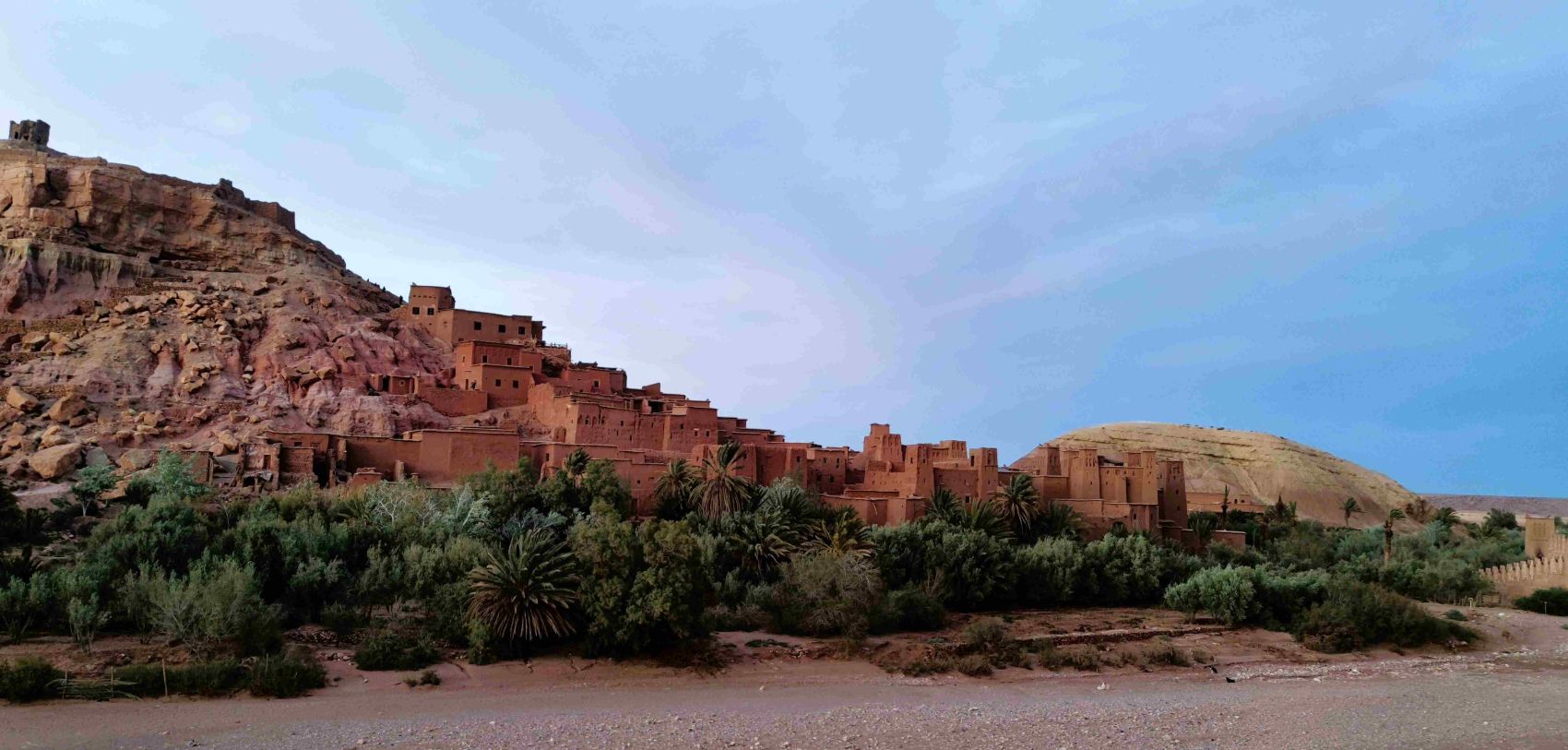
Tucked into the hills of southern Morocco, there's a fortress made entirely of earth that stops you in your tracks. The Ksar of Ait Benhaddou is a UNESCO World Heritage Site, one of the best-preserved clay cities on the planet – and a place that makes you rethink everything you thought you knew about building materials.
Architecture That Leaves You Speechless
From the outside, massive defensive walls wrap around the settlement, reinforced by hefty corner towers. Step inside and it gets interesting: a maze of narrow alleyways, modest homes and castle-like towers climbing up the hillside. Every building is a testament to a craft passed down through generations – no concrete, no steel, just earth, water and skill.
Climate Adaptation That Actually Works
What was built here centuries ago is essentially what we'd now call "sustainable design." In summer the thick clay walls keep interiors cool without a hint of air conditioning. Come winter, those same walls hold onto warmth through the cold desert nights and release it slowly into the rooms. Everything was sourced locally – clay, sand, straw, timber – and the entire layout is tuned to the region's extreme temperature swings. It's a masterclass in working with a climate rather than fighting it.
Heritage Protection Done Right
What sets Ait Benhaddou apart from so many other historic sites is how seriously the conservation is taken. A dedicated committee oversees every intervention on the fabric of the buildings. Only traditional materials are allowed – clay and wood, full stop. Cement, metal, modern building products? Banned. The goal isn't just to preserve the look – it's to keep the authentic building fabric intact, right down to the last layer of plaster.
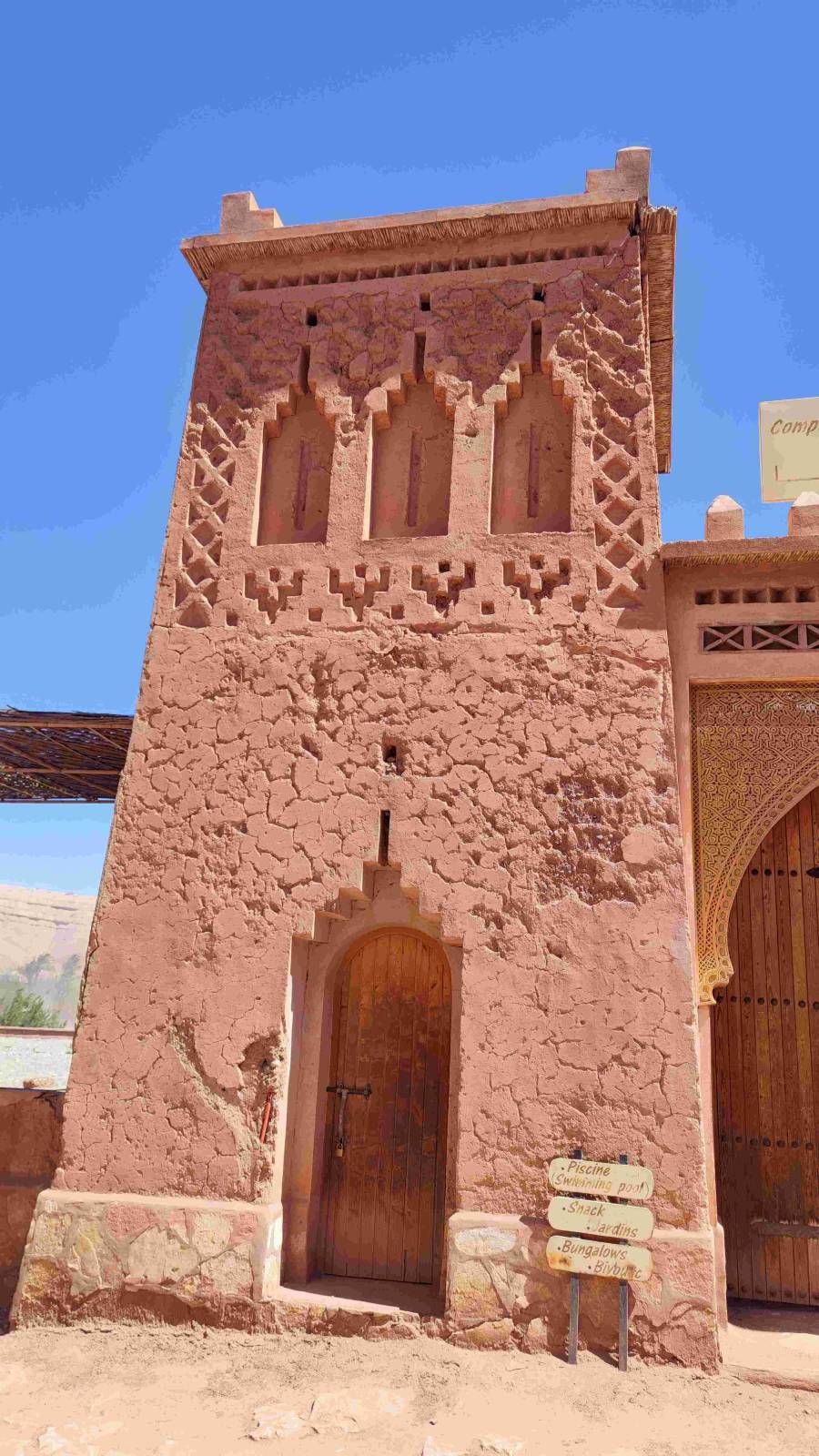
If you're curious about the techniques on display, Ait Benhaddou is a masterclass in several at once: adobe (mud bricks), rammed earth, and a range of decorative clay plasters.
Insider Tip
Go early in the morning or late in the afternoon. The light is spectacular for photos – and you'll have the place largely to yourself. Trust me, it's worth setting the alarm.