What if your house could work with the sun to slash its heating and cooling bills – no fancy gadgets required? That's exactly what passive solar design does. It won't replace your heating system entirely, but it can cut energy consumption dramatically. Pair it with clay's natural thermal mass and decent insulation, and the difference becomes impossible to ignore – lower bills, a more comfortable home, and a much lighter footprint on the planet.
The Four Pillars of Passive Solar Design
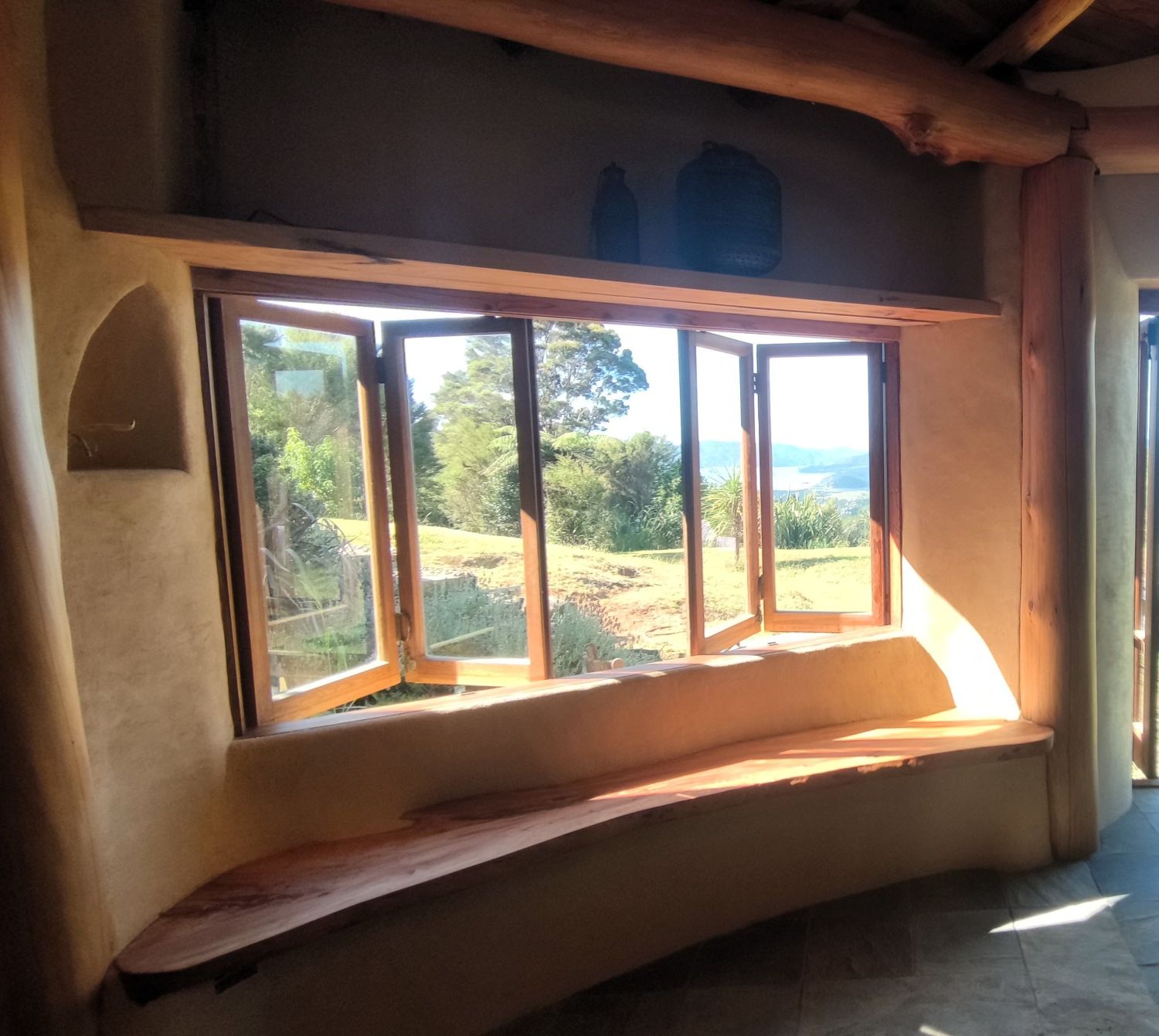
Rather than relying on conventional heating or air conditioning, passive solar design works with nature: sunlight, air movement and thermal mass all pulling in the same direction. Four things matter most: how the building is oriented, how shading is handled, how thermal mass is used, and how ventilation is managed.
Building Orientation and Window Placement
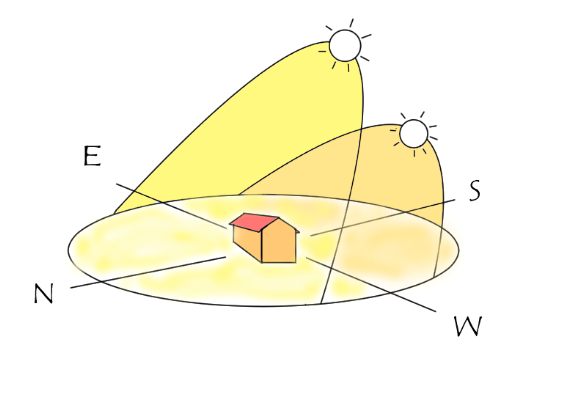
Getting the orientation right is half the battle, and it depends on your climate. In temperate regions, you want the longest wall facing south – that maximises solar gain through the winter months. Large south-facing windows let sunlight reach deep into the rooms, providing free warmth exactly when you need it most.
Roof Overhangs and Shading
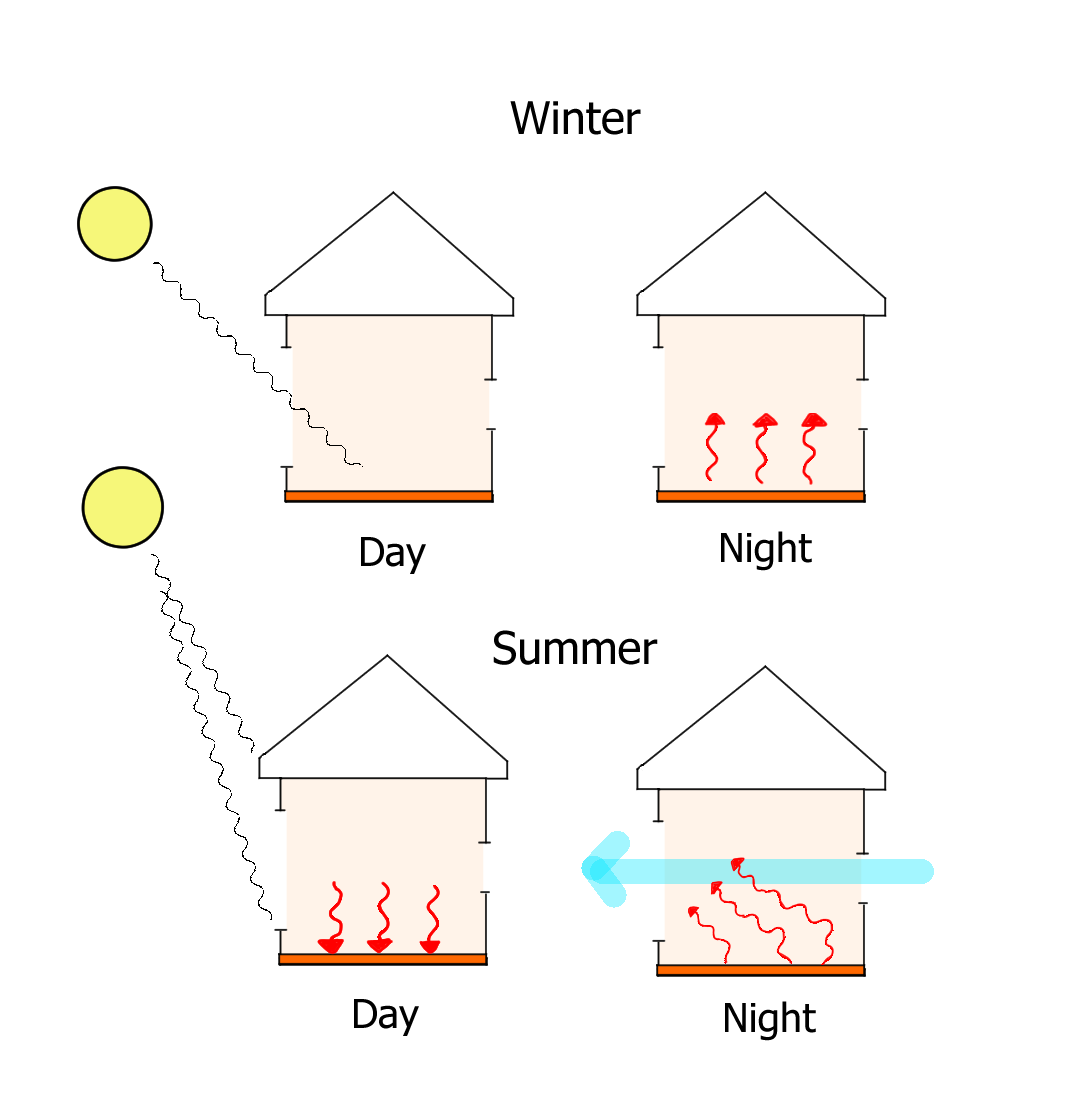
A well-sized roof overhang is one of the simplest and most effective tools in the passive solar toolkit. On the south side, it blocks the high summer sun while letting the low winter sun flood in – no moving parts, no maintenance, just geometry doing the work.
For east- and west-facing windows, you need something more flexible: canopies, pergolas, external blinds or solar film all do the job. And since windows are also a weak point for heat loss in winter, insulating curtains or roller blinds are a worthwhile addition.
The Bottom Line: Less Energy, More Comfort
Passive solar design won't make your heating system redundant – but it can take a serious chunk out of your energy bills. Combined with clay as a building material, you get a system that stores solar warmth, evens out temperature fluctuations and regulates the indoor climate naturally. The upshot: lower heating costs, less need for cooling in summer, and a quality of living that feels fundamentally different from a conventionally built house. If you're planning a new build or a major renovation, these principles are worth baking in from the start – because the sun doesn't send a bill.