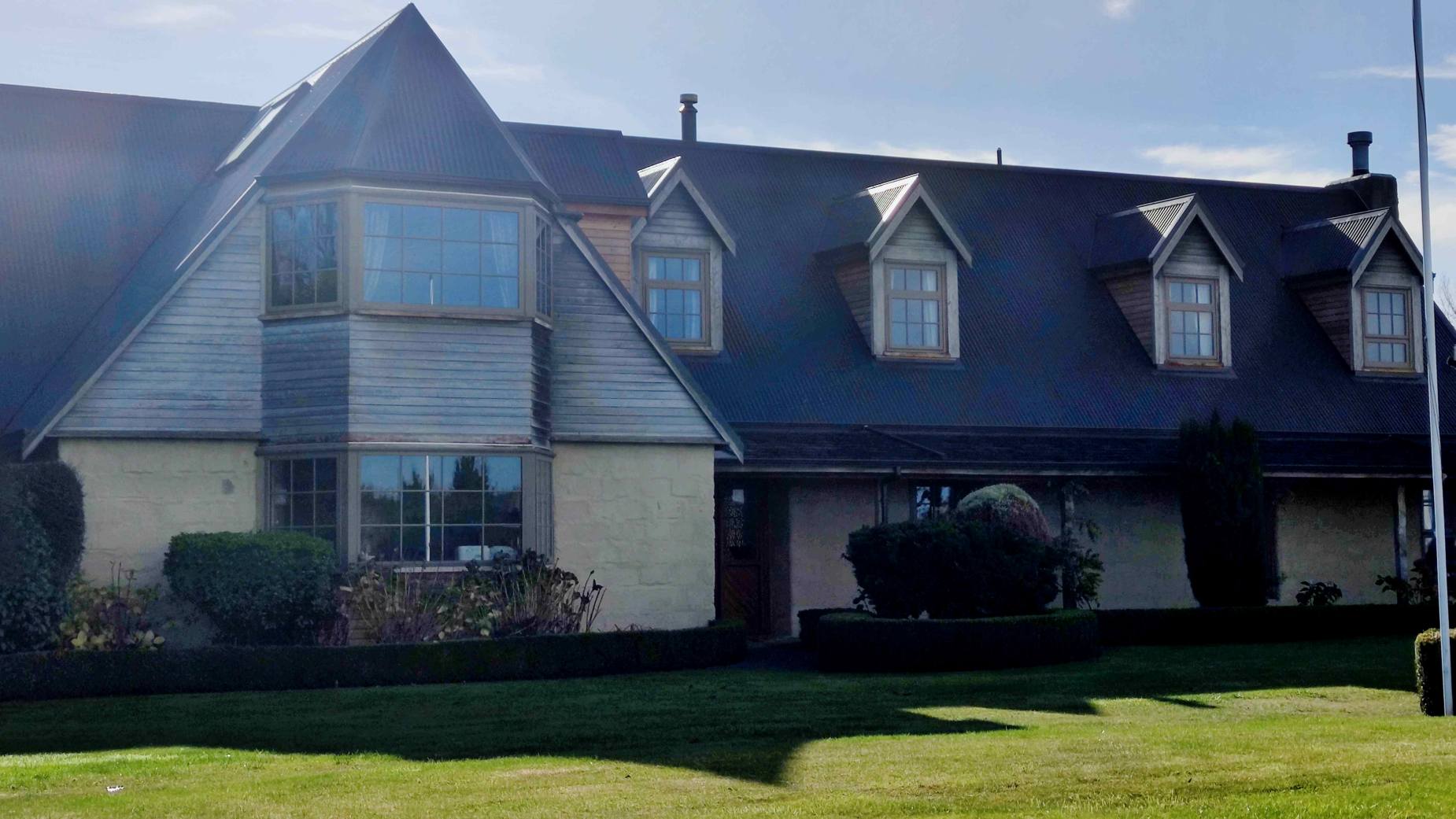
Building with clay bricks
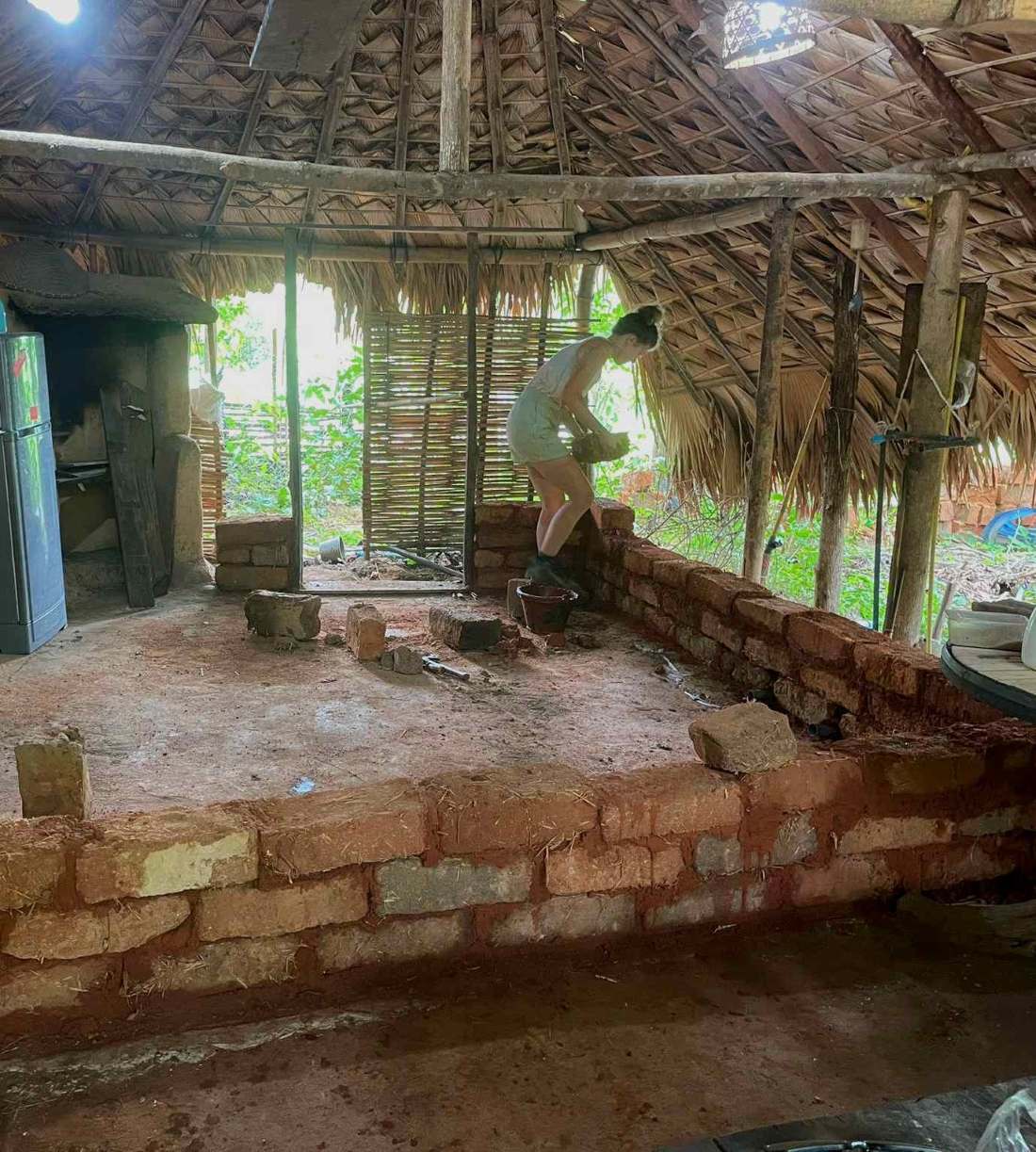
Adobe bricks are made from clayey subsoil, sand and – depending on the application – straw. The mixture is pressed into moulds and air-dried, with no kiln required. The finished bricks are then laid with clay mortar to form solid walls and finished with a protective clay or lime plaster.
The result: solid, breathable walls with excellent thermal mass.
Why Adobe?
Thermal mass
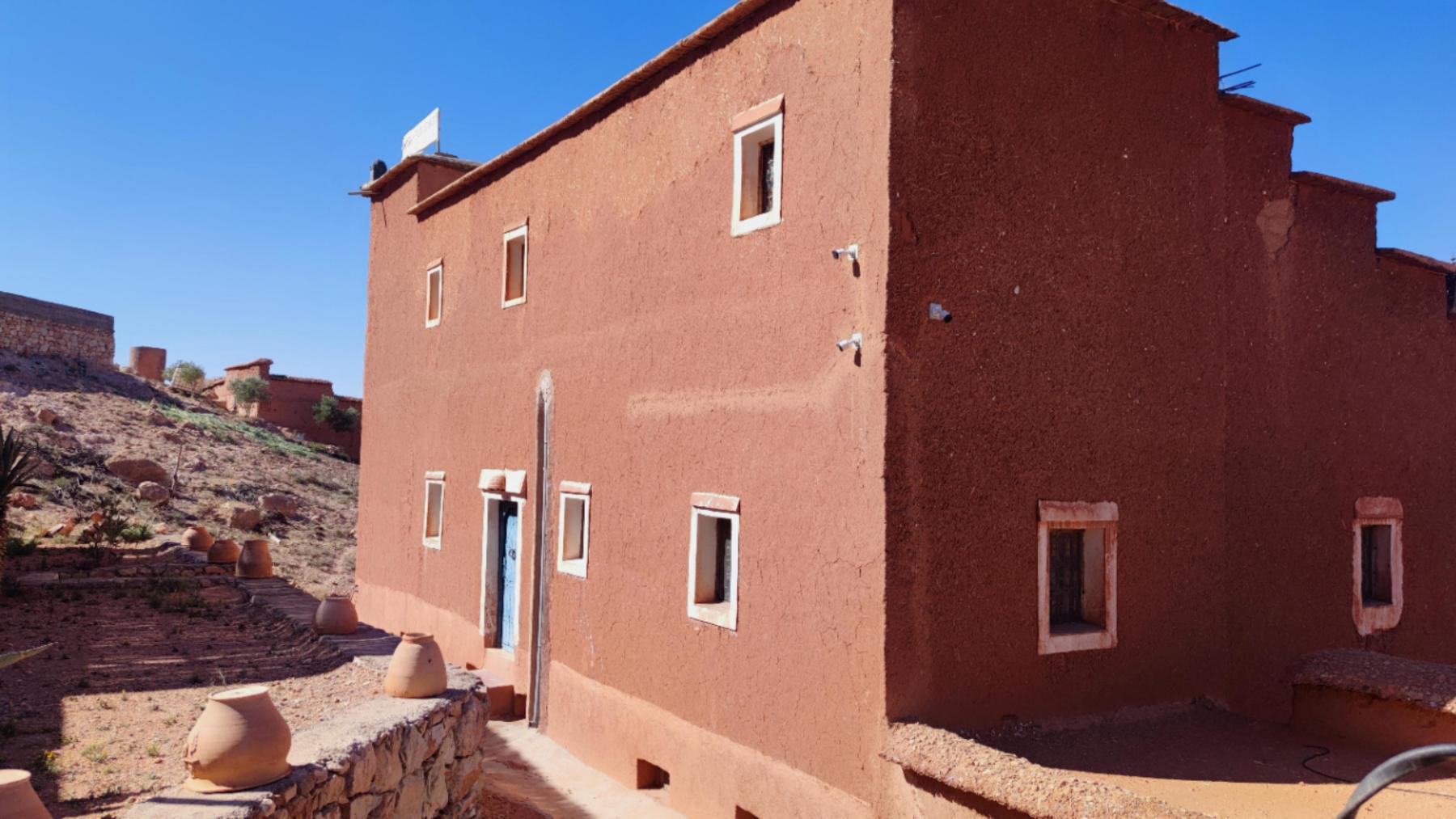
Cool in summer, warm in winter – solid walls buffer temperature swings naturally.
Local materials
No kiln, no long-distance transport – earth, sand and straw are all you need.
Breathable
Naturally regulates humidity and keeps indoor air healthy and comfortable.
Long-lasting
Adobe buildings have stood for centuries – on every continent.
Recyclable
Fully reversible and compostable – it goes right back to the earth.
Self-build friendly
Easy to learn, no machinery needed, and ideal for hands-on DIY projects.
What you need to know
Mix ratio
The right ratio depends on your local soil. Test mixes are essential – as with any earth building technique. Ideal clay content in the subsoil: around 15–30%.
Typical dimensions
- Standard brick: approx. 25 × 35 × 10 cm
- Wall thickness: 25–50 cm depending on climate
- Laid using the 2-over-1 bonding pattern
High-density or lightweight?
High-density Adobe Bricks
Density ~1,600 kg/m³. Straw controls shrinkage during drying. Best suited to regions with large day-night temperature swings – maximum thermal mass.
Low-density Adobe Bricks
Density ~800 kg/m³. A high proportion of fibrous materials like recycled paper and wood chips. Developed in New Zealand for earthquake-prone areas – with better thermal insulation values.
Want to go deeper?
In the newsletter I regularly share practical knowledge, projects and tips on natural building and renovation.
Subscribe to newsletter →