The numbers are stark: around five billion tonnes of cement are produced every year, accounting for roughly 8% of all human-caused CO₂ emissions. That puts concrete in the same league as coal, oil and gas when it comes to greenhouse gases. But there's an alternative that's been hiding in plain sight for thousands of years: clay.

Concrete: A Climate Problem Baked Into Every Wall
Making concrete is an extraordinarily energy-intensive process. Cement production is the biggest culprit: it requires extremely high temperatures, generated by burning fossil fuels. On top of that, the chemical reaction involved – known as calcination – releases large additional quantities of CO₂. All told, roughly one tonne of CO₂ is produced for every tonne of cement manufactured.
Clay: The Climate-Friendly Building Material
Clay's carbon footprint, by contrast, is remarkably small. Extracting and processing clayey subsoil requires minimal energy, and the whole production process is far less resource-intensive. Clay is typically mixed with other natural materials like sand or straw and then air-dried – a technique that needs no energy-intensive heating whatsoever.
100% Recyclable: No Waste, No Problem
Unlike concrete – which usually ends up as rubble and is notoriously difficult to recycle – clay can easily be returned to the natural cycle. Already-dried clay building elements can simply be softened with water and reshaped, with no loss of quality. It's a genuinely circular material.
A Comfortable Indoor Climate: Natural Temperature Regulation
Clay is hygroscopic – it absorbs moisture from the air and releases it again as conditions change. This naturally regulates indoor humidity and creates a healthy living environment. In summer, clay keeps things pleasantly cool; in winter, it stores heat and releases it slowly back into the room.
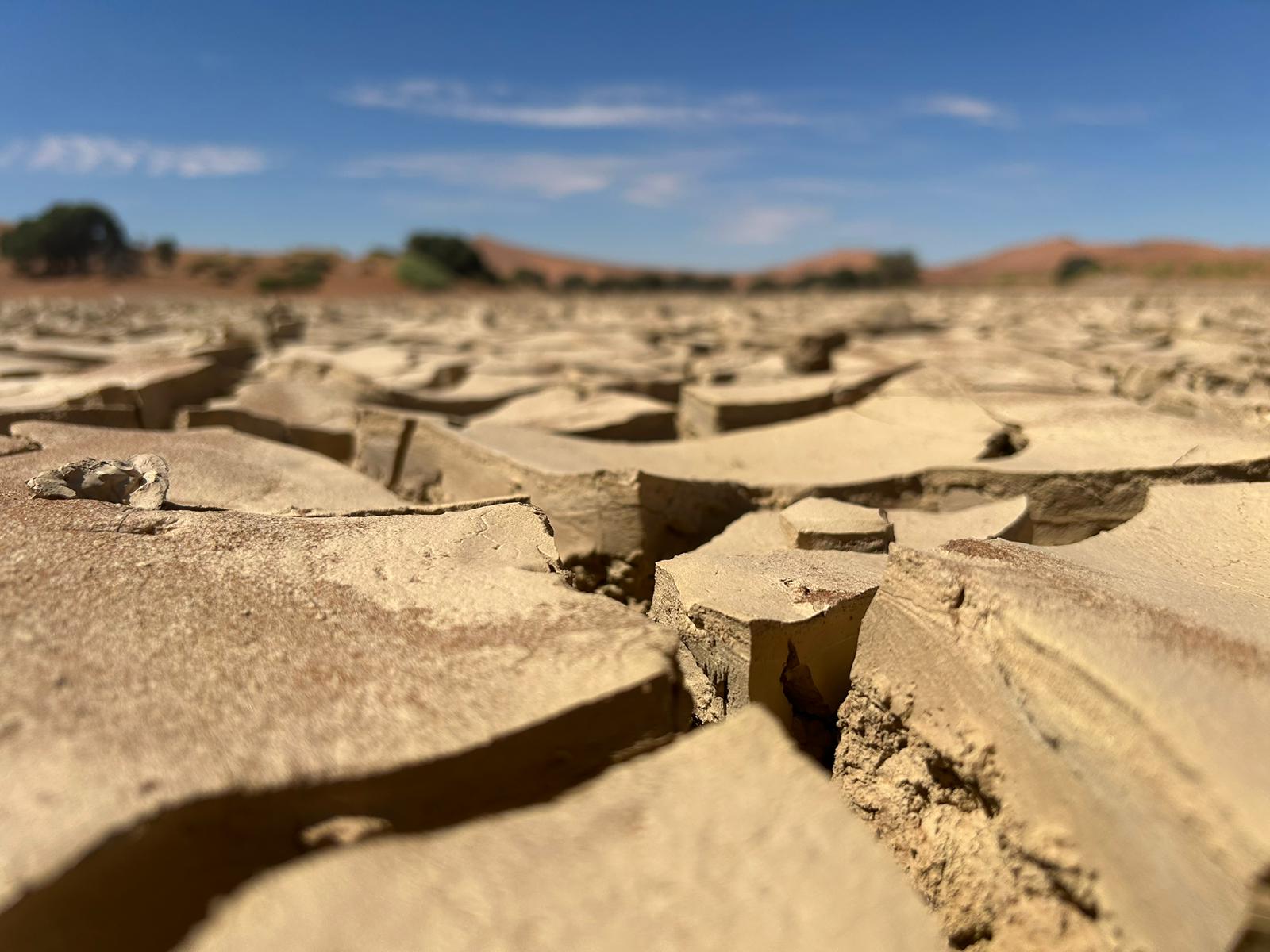
Where Can Concrete Be Replaced by Clay?
Clay isn't the right fit for every application, but there are plenty of areas where it can step in without any compromise. Walls – both load-bearing and non-load-bearing – can be built using a range of earth building techniques. Cob, adobe bricks, straw-clay, rammed earth – each approach has its own strengths, and all of them sidestep the need for cement entirely.
New Zealand is leading the way here. Modern earth building is already embedded in the country's building code, and lightweight adobe bricks in particular have proven themselves as a genuinely innovative solution for load-bearing walls.
Back to a Proven Building Material
Clay is a sustainable alternative to concrete that actively contributes to climate protection. Its regional availability, minimal processing requirements and excellent building physics make it an environmentally sound, healthy and versatile solution for modern construction. In an era of climate change, it's time to give this ancient material the attention it deserves.