Cob
Monolithic, creative, built to last – clay, sand & straw as a modern building material.
Clay, sand and straw – shaped directly by hand
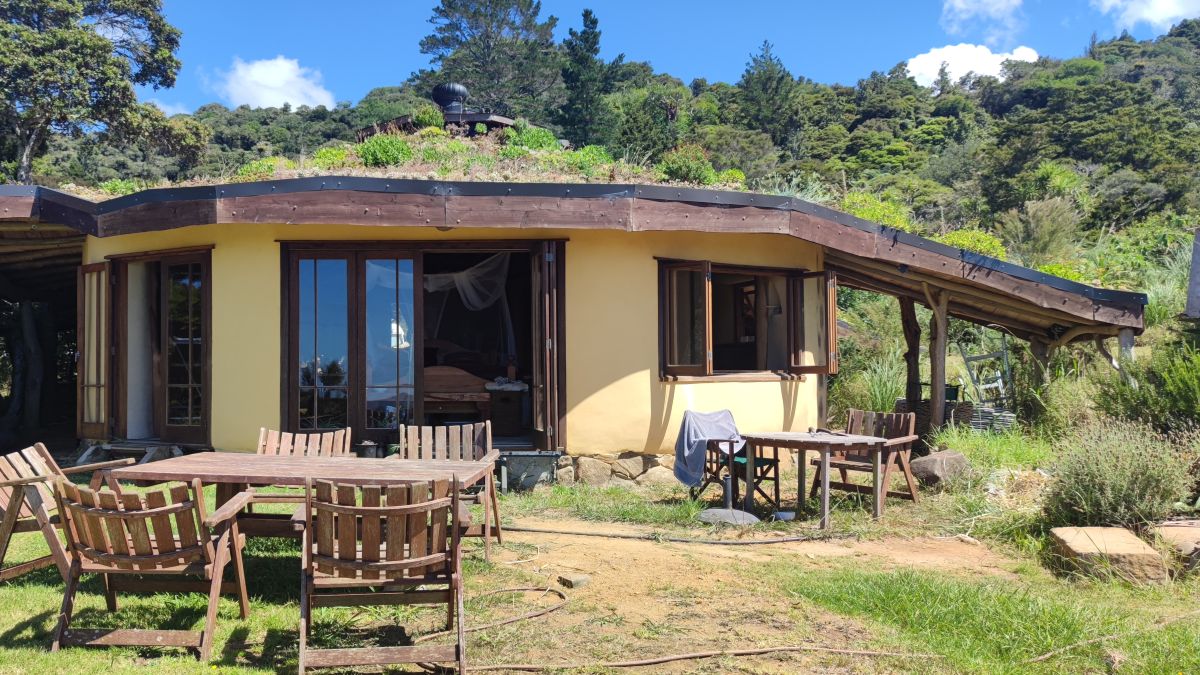
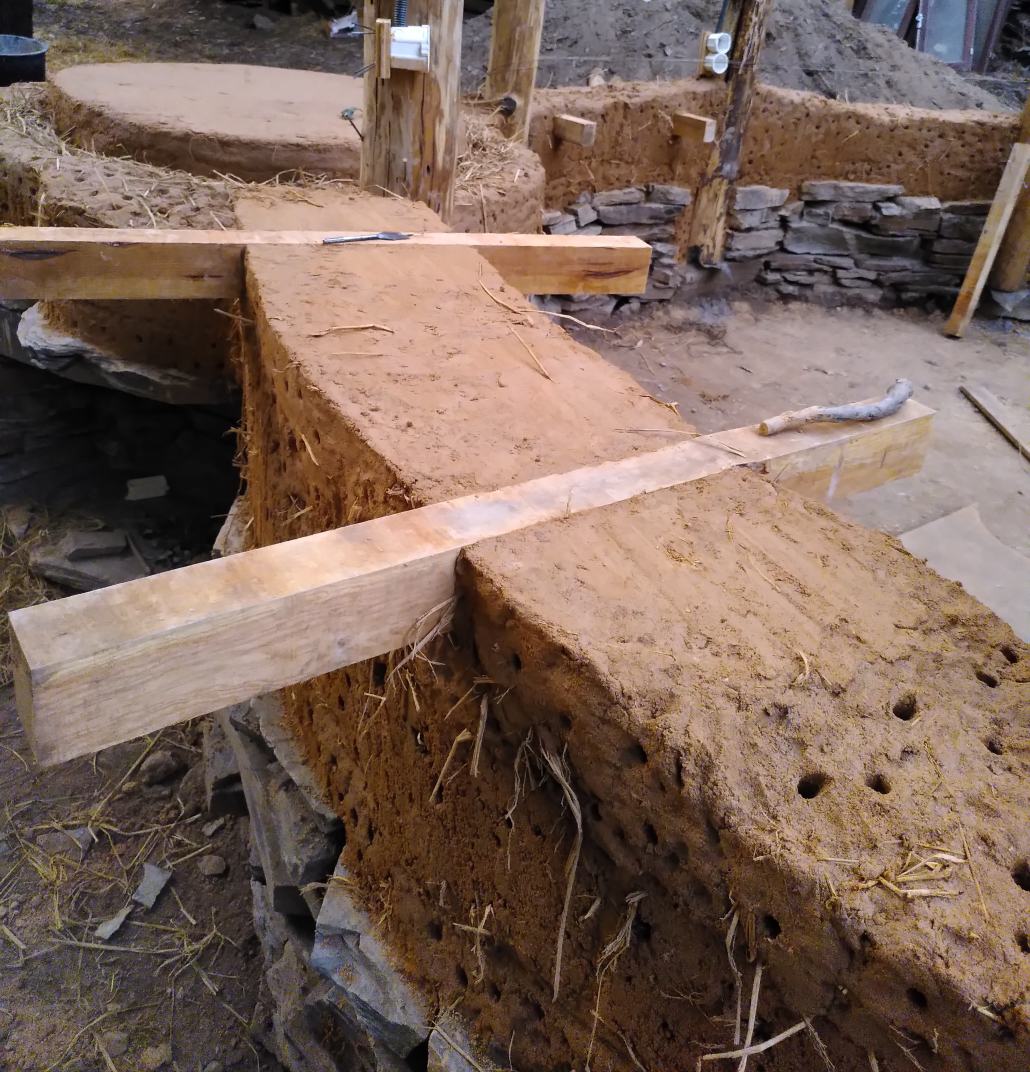
Cob is a mix of clayey subsoil, sand, water and straw that's shaped by hand into solid, monolithic walls – one layer at a time. There are no bricks, no formwork, no moulds. You literally build the wall as you go.
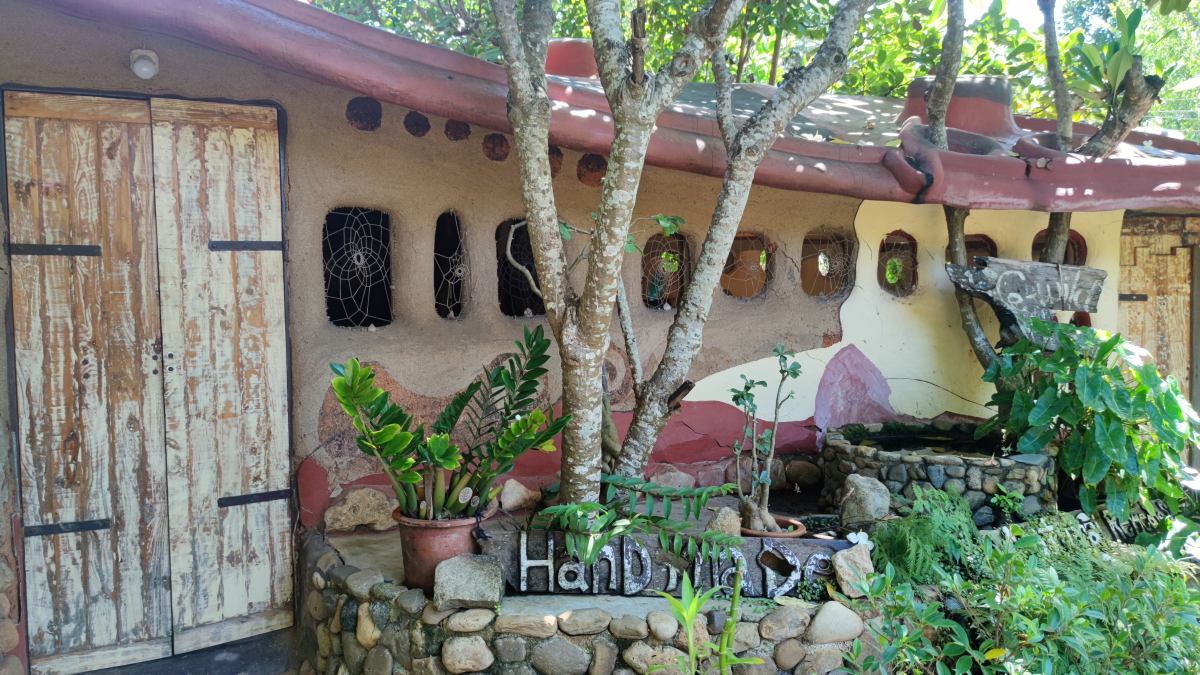
The walls can take on almost any shape: round windows, curved niches, flowing floor plans. At the same time, they store heat beautifully and regulate humidity all on their own.
Why Cob?
- Total design freedom: curves, niches, sculpted windows – anything goes
- Fully breathable – the walls genuinely "breathe"
- Excellent thermal mass – keeps things cool in summer and warm in winter (the battery effect)
- Incredibly durable – plenty of cob houses have been standing for centuries
- Easy to repair with the same material
- Ecological: no cement, no chemicals, fully compostable
From Devon to Oregon
Cob is one of the oldest building techniques in human history – found everywhere from Central Asia to Africa. In Devon alone, around 20,000 cob houses are still standing today, many of them well over a hundred years old.
After falling out of favour during industrialisation, cob is making a serious comeback. In Oregon, the "Oregon Cob" movement has emerged as a modern take on the technique – proof that this ancient craft is very much alive.
Freehand or with formwork
- Freehand Cob: The classic approach – everything shaped entirely by hand. Perfect for organic forms and creative details.
- Formed Cob: The mix is packed into temporary formwork layer by layer – great for straight walls and faster progress.
Want to go deeper?
In the newsletter I regularly share practical knowledge, projects and tips on natural building and renovation.
Subscribe to newsletter →