Natural Wall Paints
Breathable, chemical-free paints for healthy indoor air and beautiful finishes.
Paint types
Clay Paint
Paint types
Limewash
Paint types
Casein Paint
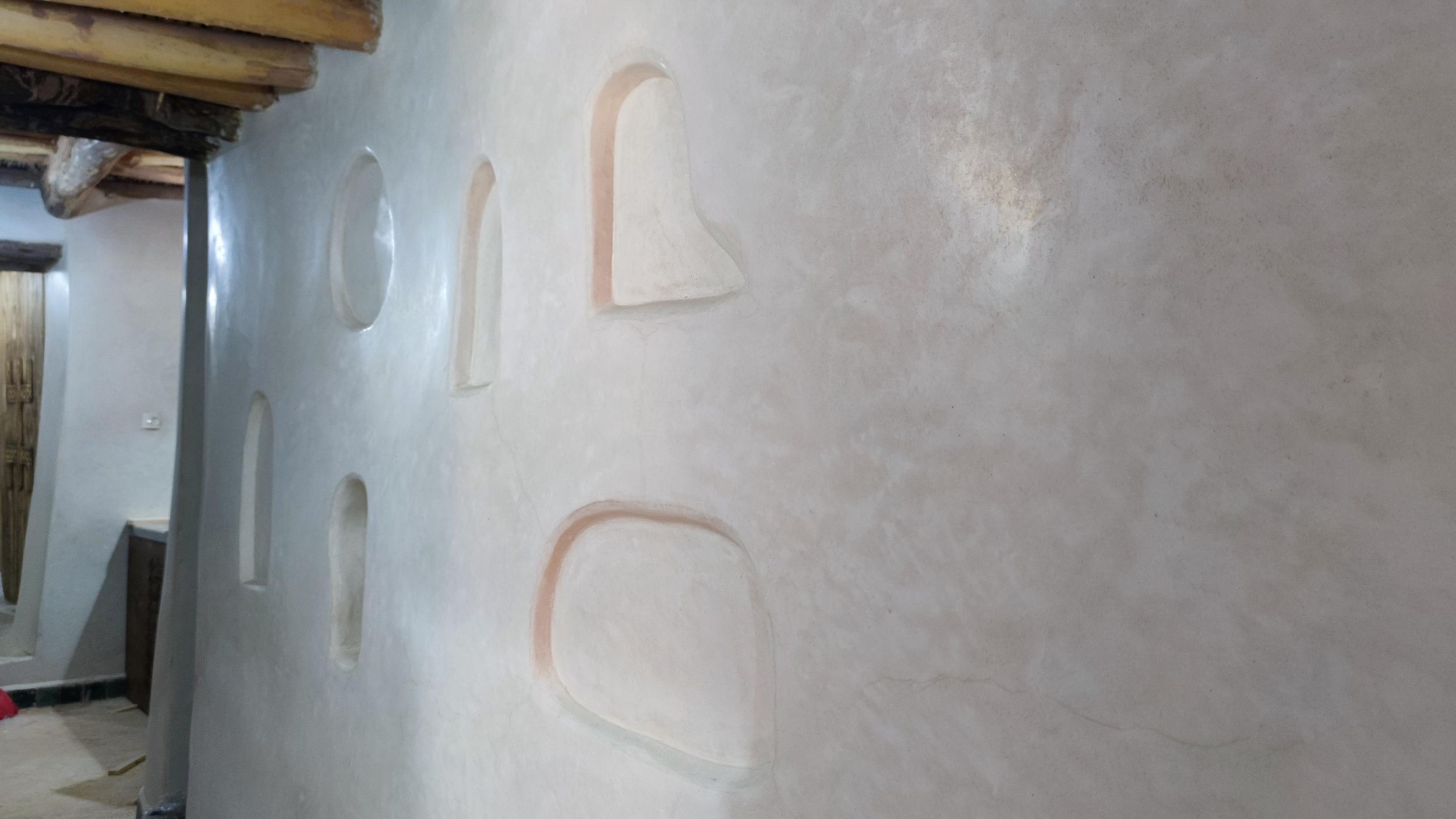
Clay paint, limewash and casein paint
Clay paint, limewash and casein paint are among the oldest wall finishes around, and three of the smartest materials you can put on your walls today. Each starts with a simple formula: a binder (clay, lime or casein), a filler or pigment and water, with natural additives mixed in depending on the recipe.
No solvents, no plasticisers, no preservatives, yet the walls breathe, handle moisture on their own and genuinely change the way a room feels.
Clay paint
The all-rounder for interiors
Finely sieved clay and a binder, for example flour paste, form the base. Add pigments and natural additives and you can tailor it to almost any room.
Clay paint absorbs excess humidity, binds odours and brings warm, earthy tones straight out of the bucket. You can make it yourself from scratch: sieve, mix, paint.
- ✓Regulates indoor humidity
- ✓Odourless and antistatic
- ✓Especially good for bedrooms and children's rooms
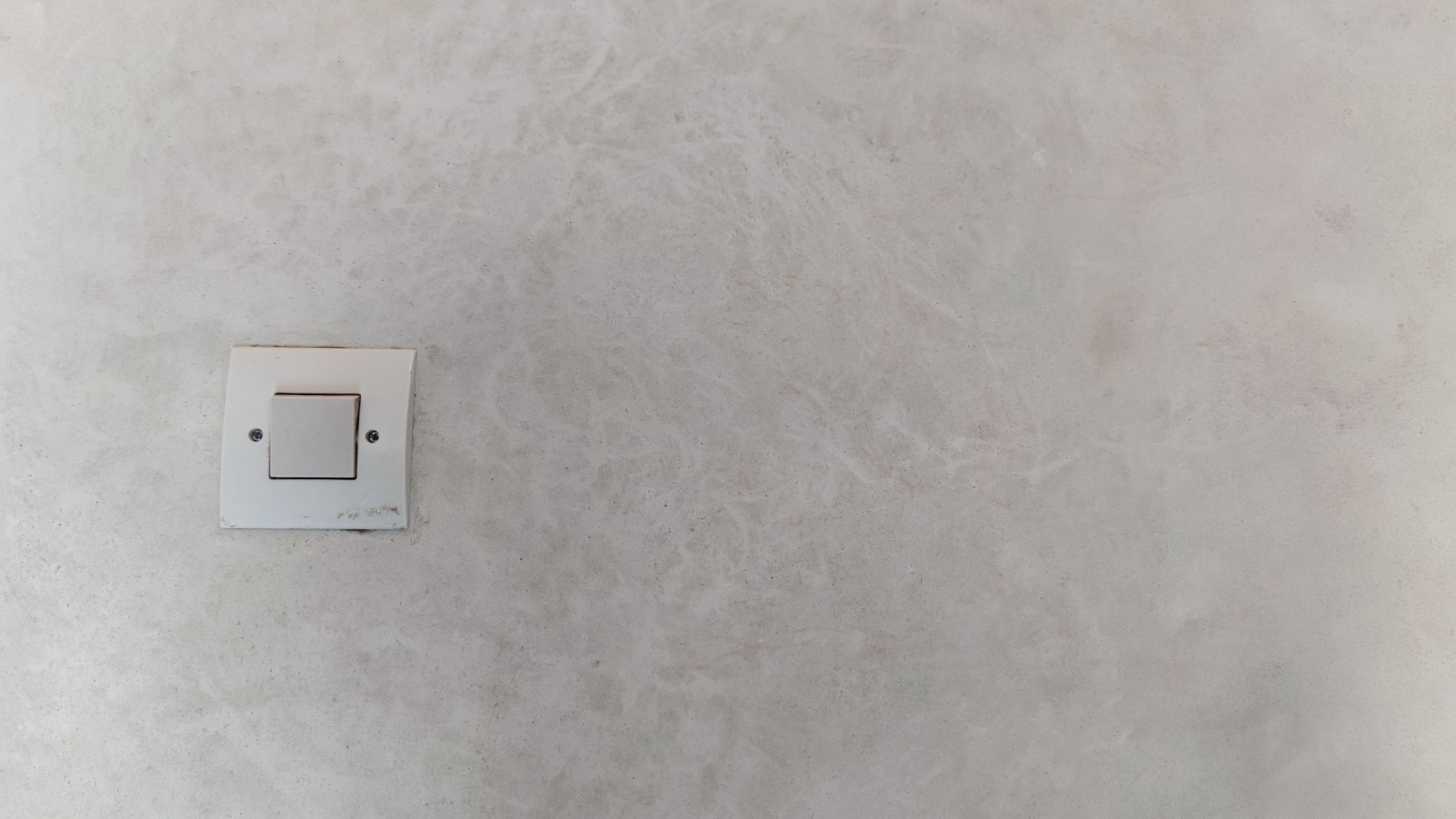
Limewash
The classic for damp rooms and exteriors
Lime is naturally alkaline, which makes it antimicrobial and mould-inhibiting, no chemicals needed. Houses across the Mediterranean have been painted with it for centuries, inside and out.
There is something timeless about the look, too: the slightly uneven finish is not a flaw, it is the best part, and the surface develops its own patina over the years.
- ✓Naturally inhibits mould
- ✓Self-healing and UV-resistant
- ✓Suits old buildings, basements and façades
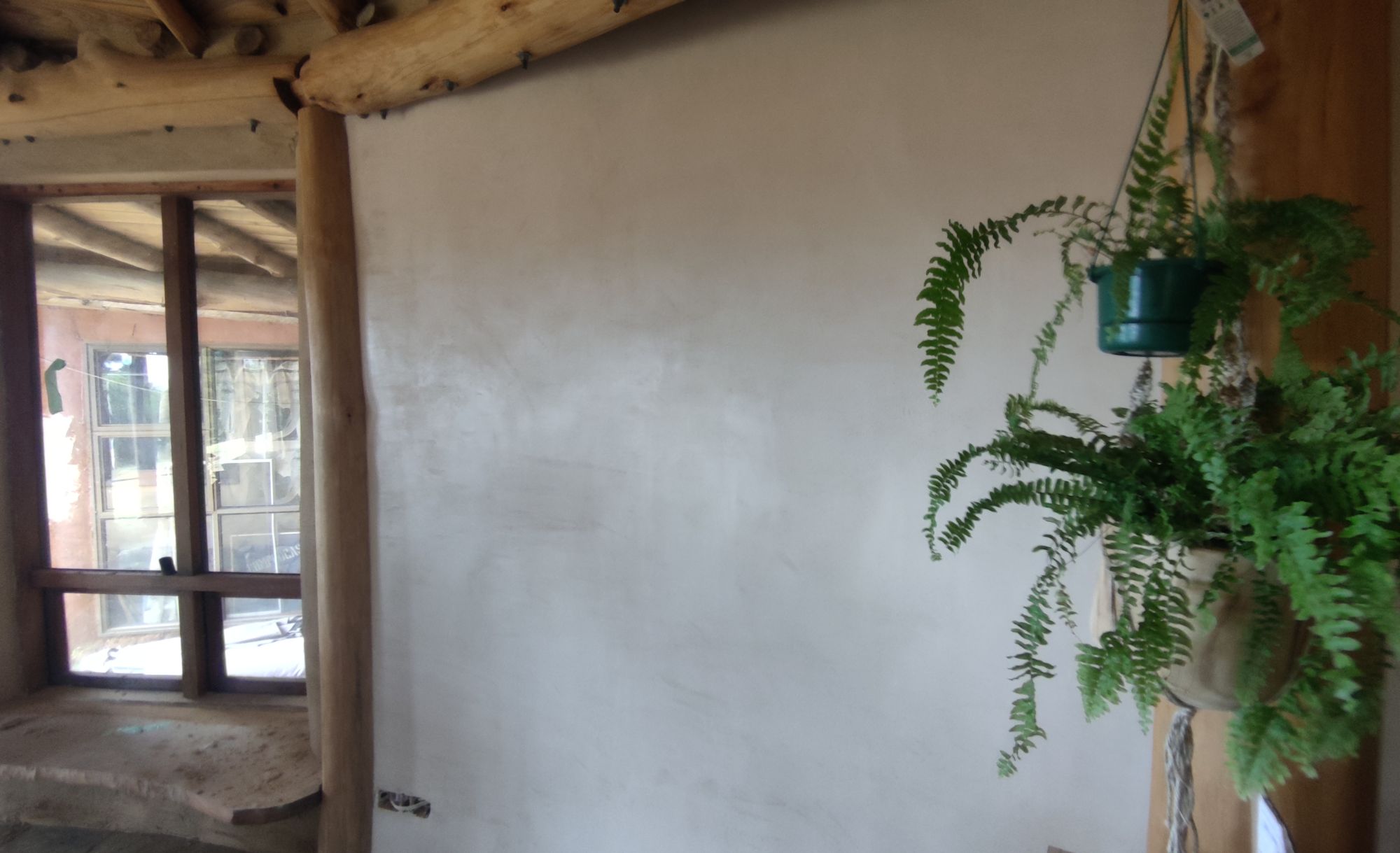
Casein paint
Paint made from milk protein
Made from milk protein, casein paint produces velvety, slightly matte surfaces with a richness that synthetic paints simply cannot match. It bonds exceptionally well, even to wood, and is both water-resistant and hard-wearing.
Casein works as a full-coverage paint or as a transparent glaze. Used as a glaze, it protects the surface underneath while letting the natural texture show through, perfect for clay and lime plasters.
- ✓Velvety matte surface
- ✓Bonds to wood too
- ✓As paint or clear glaze
What they have in common
Whether you choose clay, lime or casein, all three paints share the same idea: natural materials that work with the building and its occupants, not against them. They pair best with clay and lime plasters, but also work well on plasterboard, concrete and masonry. The key is a clean, dry, absorbent surface.
Breathable
Open pores absorb and release moisture.
Free from harmful chemicals
No toxic solvents and little to no off-gassing.
Sustainable
Natural raw materials, repairable and compostable at end of life.
Antistatic
Less dust settles on the wall.
Design freedom
Natural pigments from soft to bold.
DIY-friendly
Basic recipes are quickly learned, and the application is straightforward.
Make your own natural paint: course coming soon
A hands-on course covering clay paint, limewash and casein paint is in the works, as part of the Earth to Wall School. Sign up for the newsletter to hear about it first and grab your early-bird discount.
Subscribe to newsletter