Cob
Clay, sand and straw, shaped into solid monolithic walls.
Method
Monolithic
Materials
Clay, sand, straw
Walls you shape directly
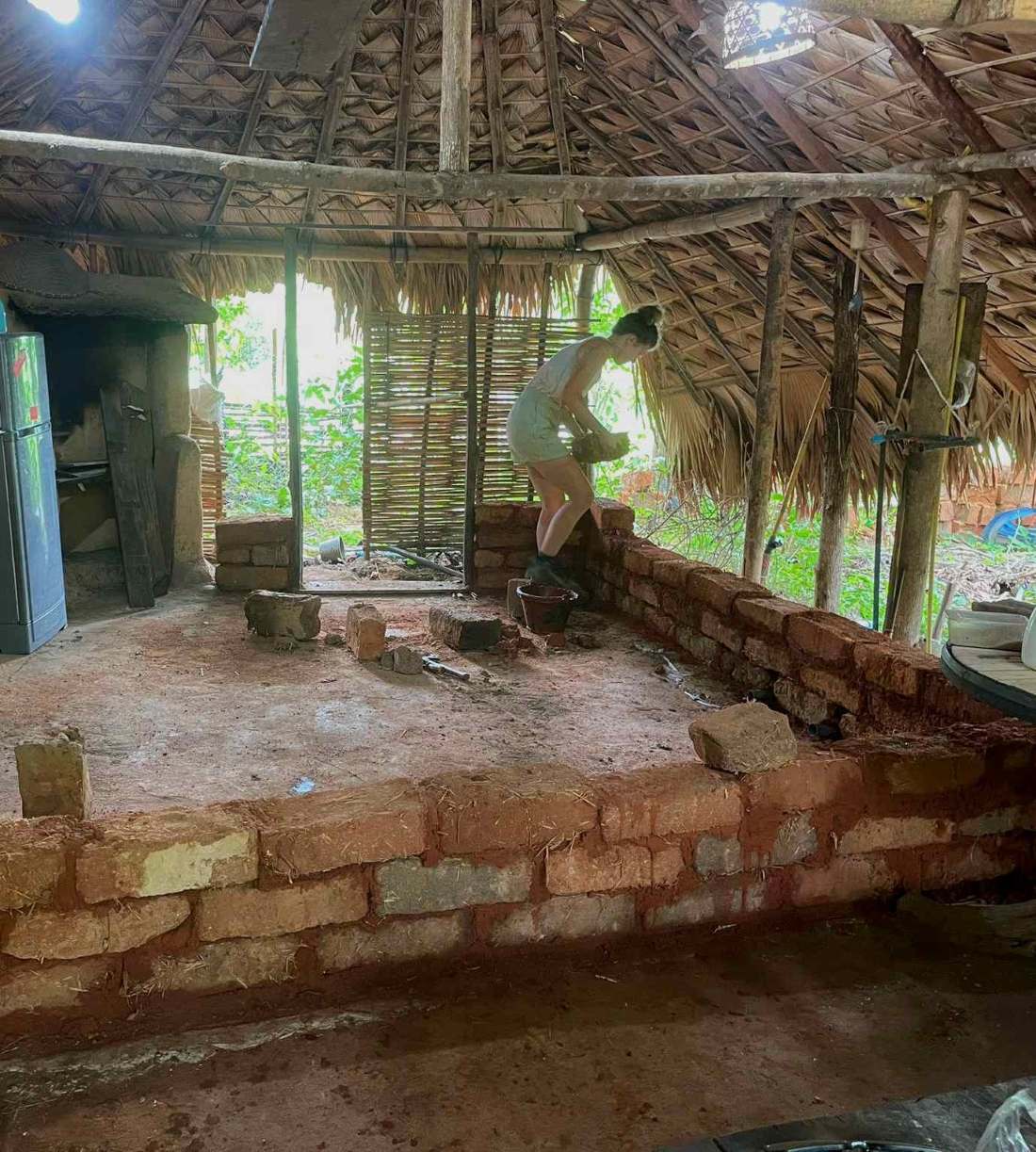
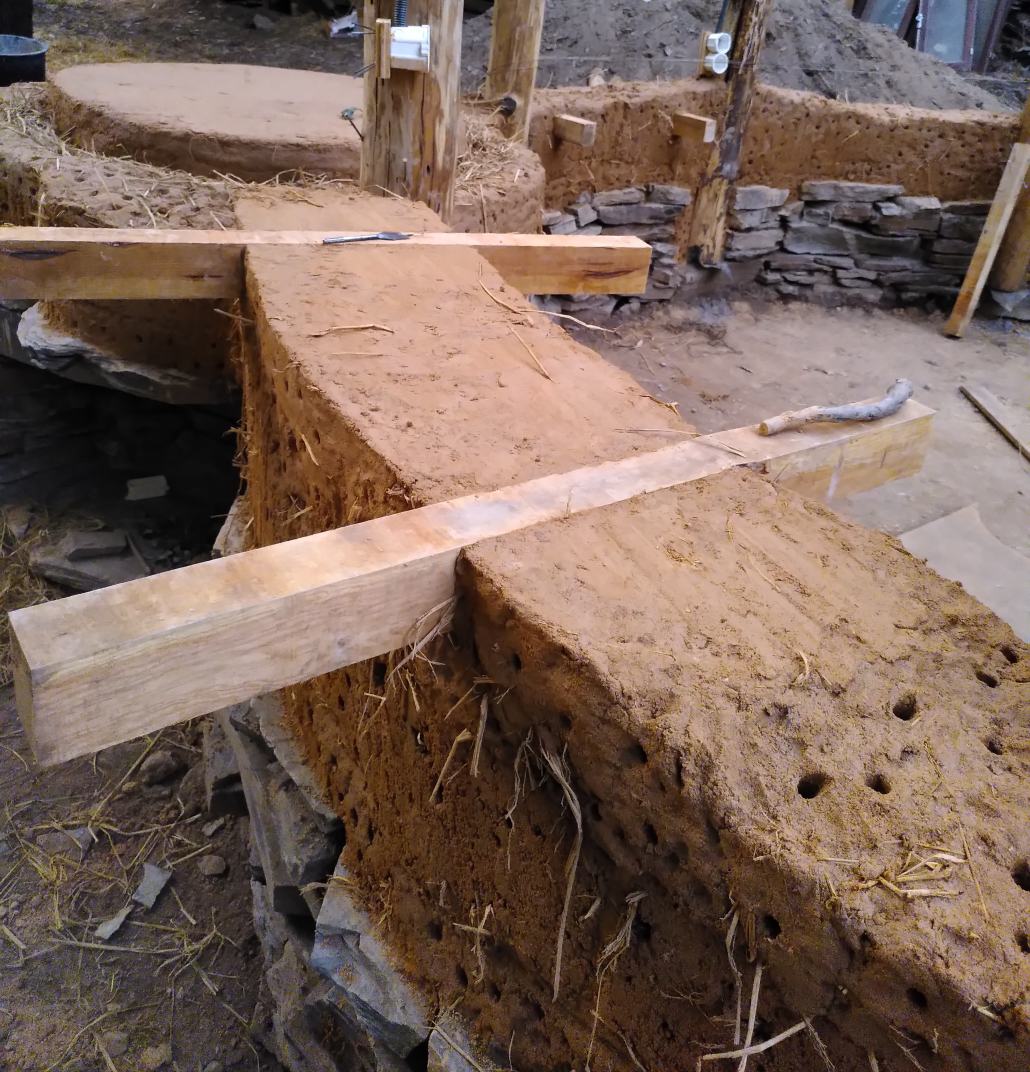
Cob is a mix of clayey subsoil, sand, water and straw. It is shaped by hand or using formwork into a solid, continuous wall, one layer at a time. That gives you a lot of room for creative expression, and the thick walls bring plenty of thermal mass, so they store heat and even out temperature swings.
It is one of the oldest building techniques in human history, and today it is making a real comeback.
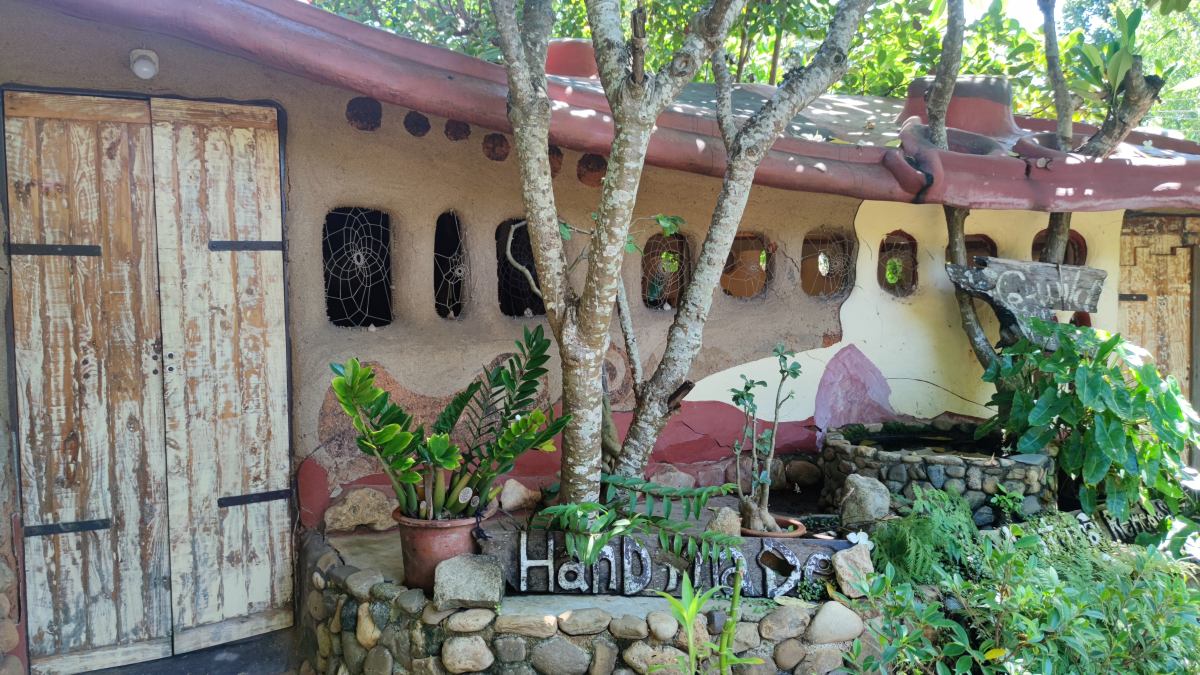
Organic forms
Round windows, curved niches, flowing floor plans
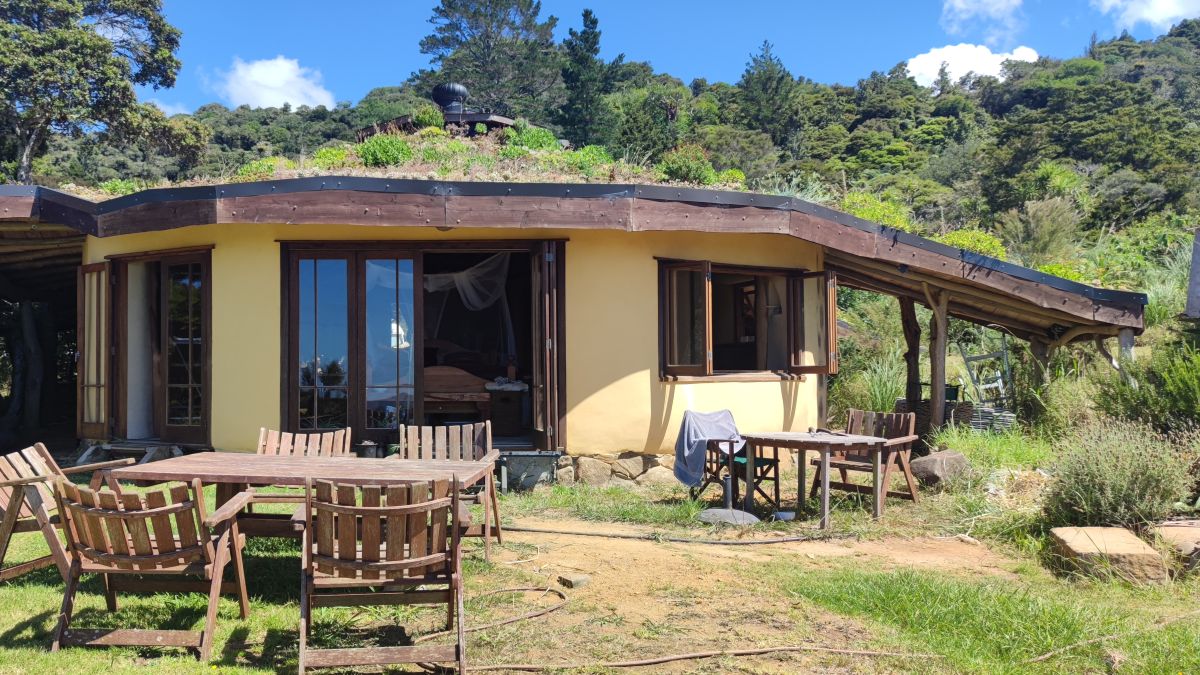
Because cob does not need to be pressed into a mould, there are hardly any limits to your design. Whether you shape it freehand or work with formwork, curves, built-in benches, niches and sculpted window reveals can all be worked straight into the wall.
At the same time, the thick walls store heat beautifully and regulate humidity all on their own. Beauty and function come from the same material.
- ✓Sculptural details possible
- ✓Repairs with the same material
From Devon to Oregon
A technique with centuries of experience
Cob is found everywhere from Central Asia to Africa. In Devon in England, around 20,000 cob houses are still standing today, many of them well over a hundred years old and still lived in.
After falling out of favour during industrialisation, cob is back. In Oregon, the “Oregon Cob” movement emerged as a modern take on the technique, proof that this craft is very much alive.
- ✓Proven worldwide over centuries
- ✓Around 20,000 cob houses in Devon
- ✓Modern revival in Oregon
What makes cob special
Cob combines creative freedom with real building physics. A solid cob wall works with the building and the people living in it, not against them.
Design freedom
Curves, niches and sculpted windows: almost anything goes, because the wall is shaped directly.
Breathable
The walls breathe. Moisture is absorbed and released again, which keeps the indoor climate healthy.
Stores warmth
Cob works like a heat battery. Pleasantly cool in summer, and it stores warmth in winter.
Long-lasting
Many cob houses have stood for centuries. With good planning and protection, a cob wall lasts a very long time.
Easy to repair
Damage can be patched with the same material, no special tools and no specialist needed.
Ecological
No cement, no chemicals. Local raw materials, fully compostable and back to earth at the end.
Freehand or with formwork
Cob can be built in two ways. Which one fits better depends on your project and your timeline.
- 01
Freehand cob
The classic approach. Everything is shaped entirely by hand, perfect for organic forms and creative details.
- 02
Cob with formwork
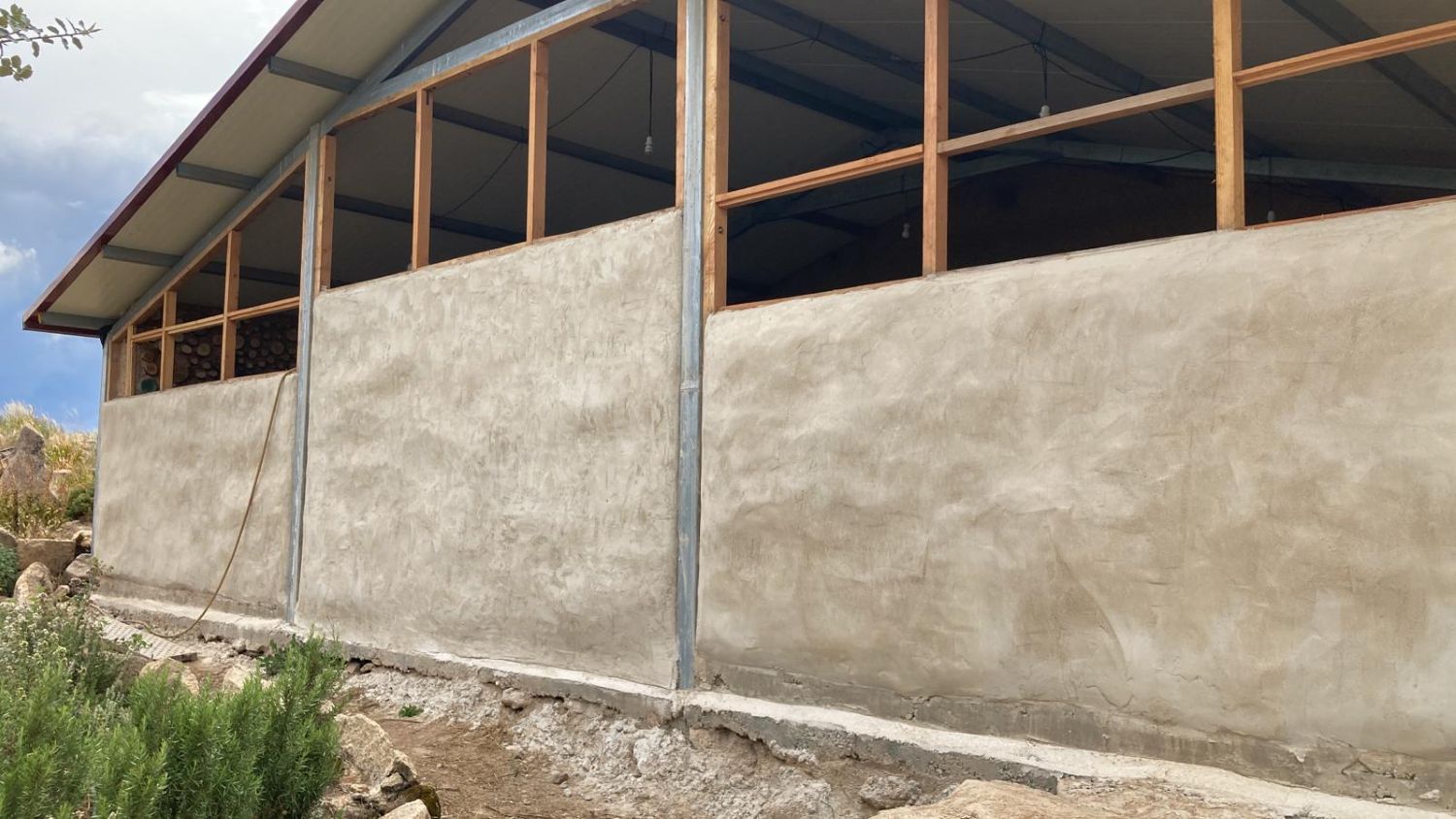
The mix is packed into temporary formwork layer by layer. Great for straight walls and faster progress.
Want to go deeper?
In the newsletter I regularly share practical knowledge, projects and tips on natural building and renovation, plus the free soil testing guide.
Subscribe to newsletter