Adobe
Bricks made in moulds and dried in the air, not fired.
Method
Brick masonry
Main Materials
Clay, aggregate, fiber
Walls made from bricks
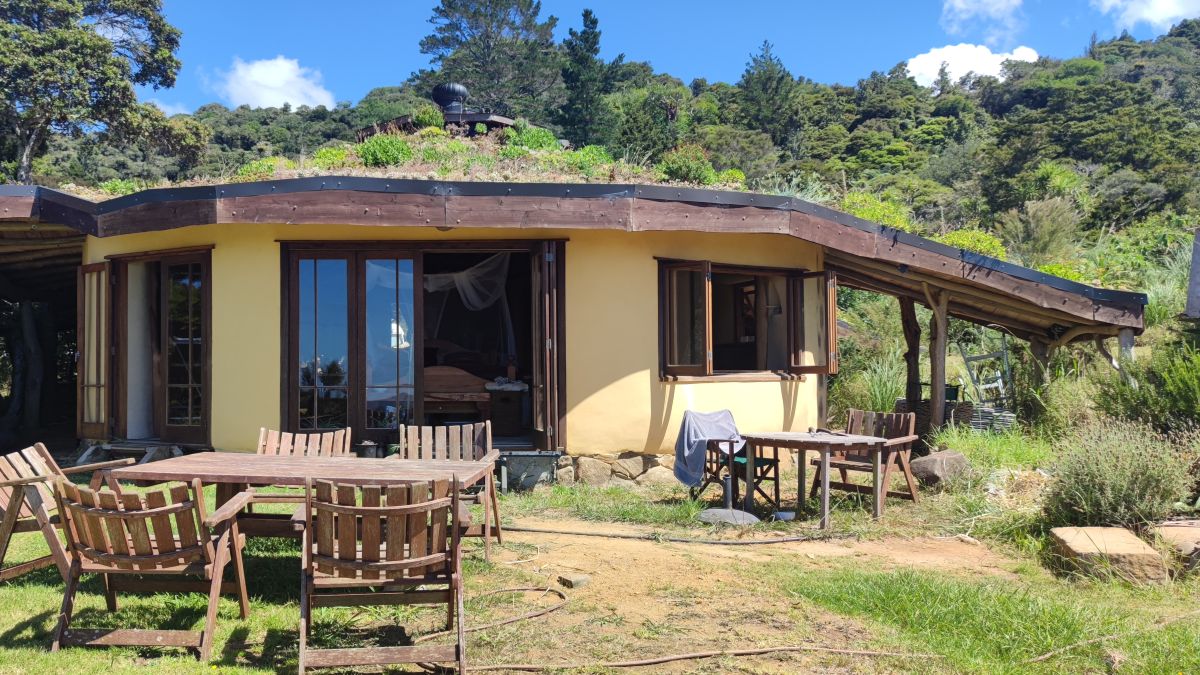
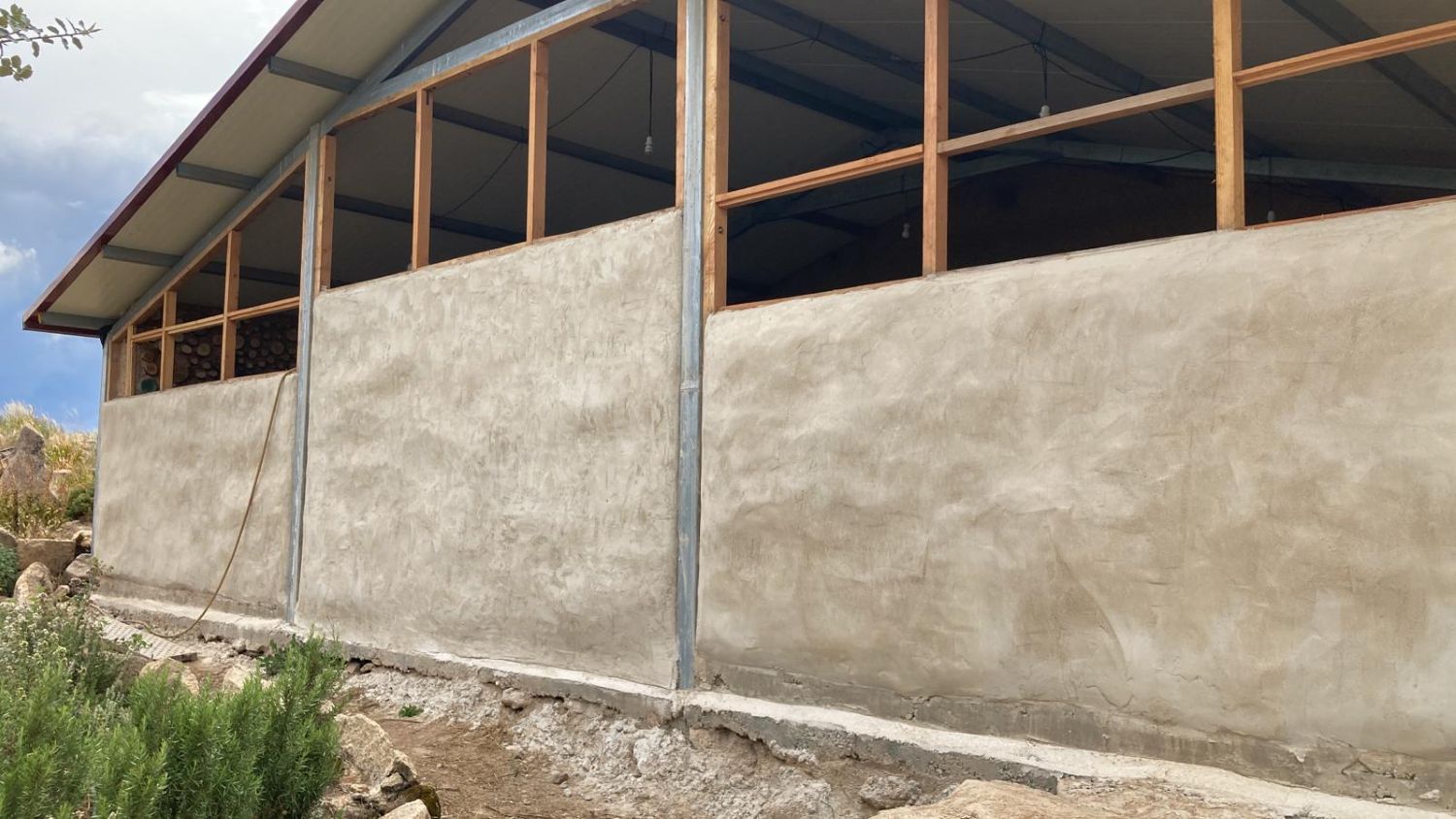
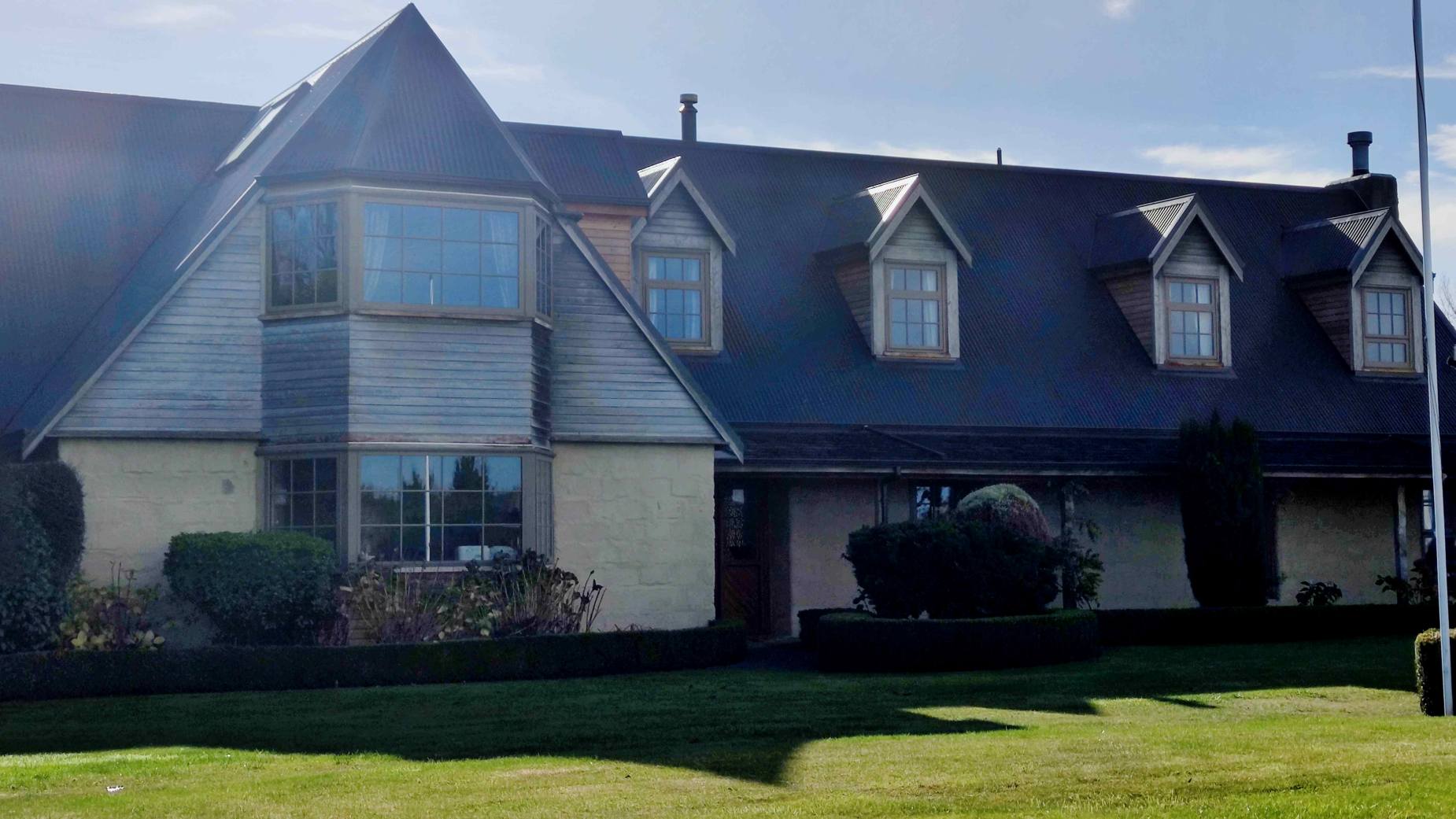
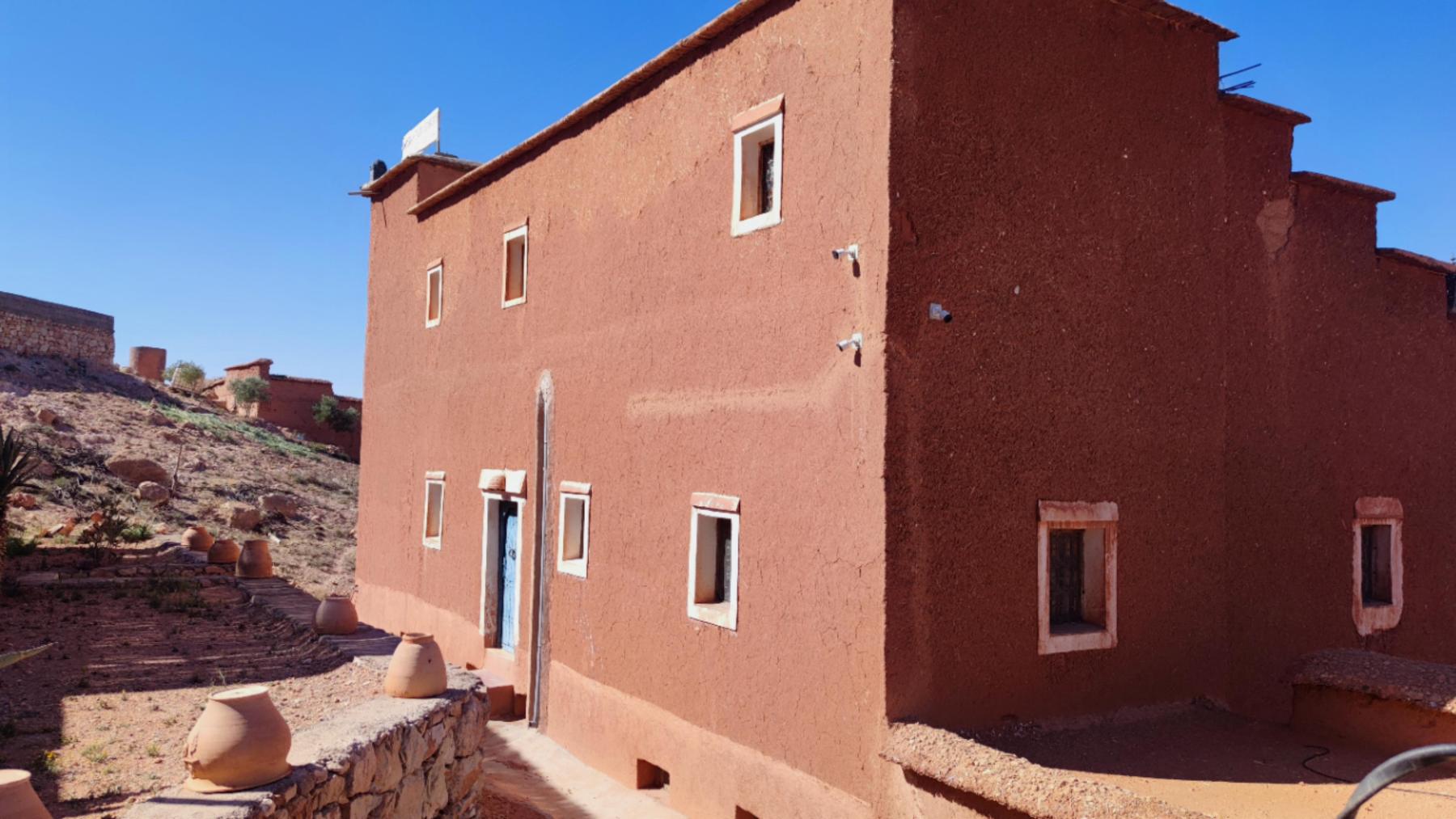
Adobe bricks are made from clayey subsoil, mixed with aggregate, usually sand, and different fibers, often straw, depending on the soil and the application. The mixture is pressed into moulds and dried in the air, usually in the shade, with no kiln required. The finished bricks are then laid with clay mortar into solid walls and finished with a protective clay or lime plaster.
The result is solid, breathable walls with excellent thermal mass. Adobe is one of the oldest building techniques in the world.
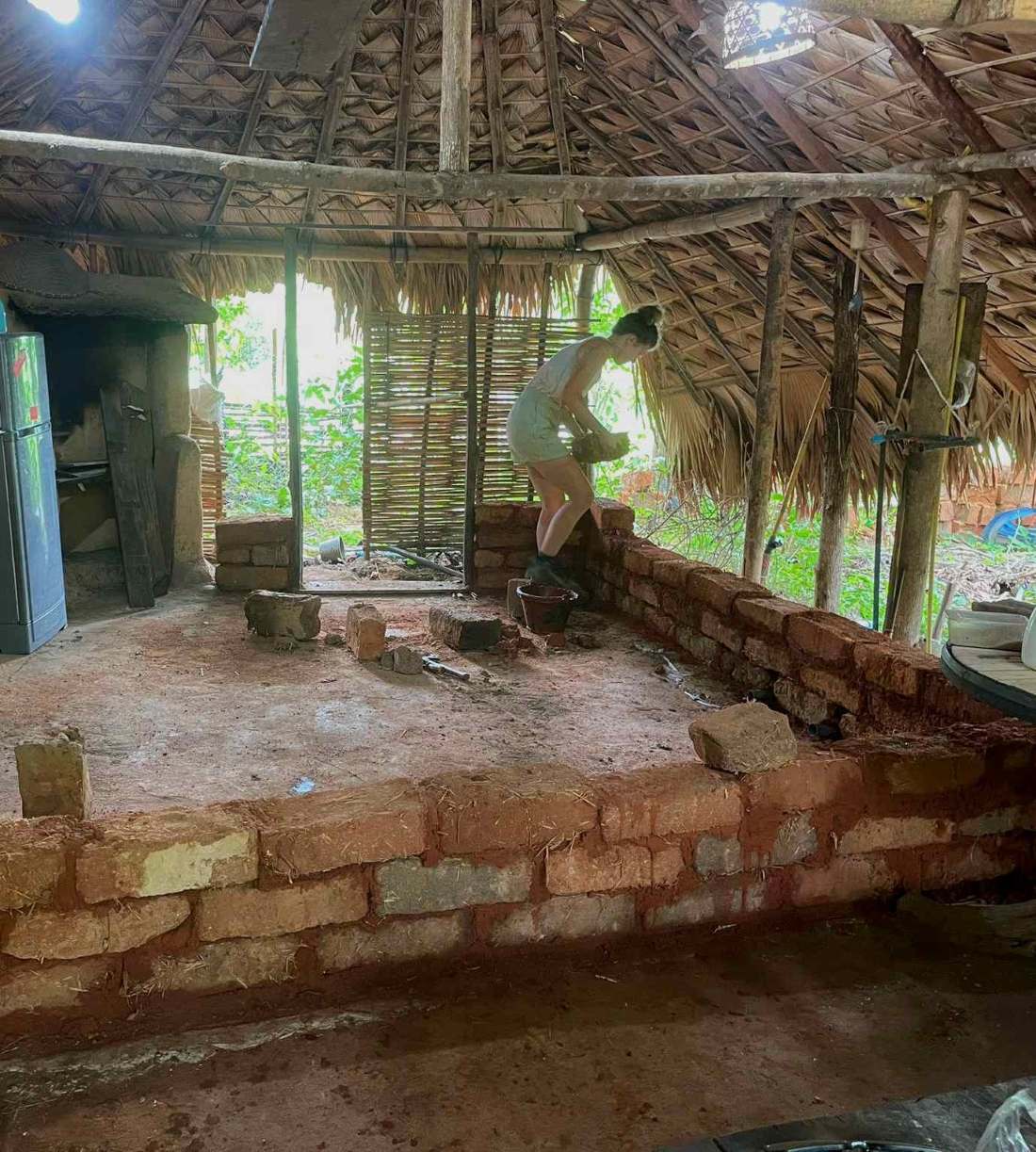
Making Bricks
The mix depends on your soil and what the brick needs to do
The right mix depends on your local soil, so test bricks are essential, as with any earth building technique. The ideal clay content in the subsoil is around 15 to 30%. Ingredients like sand, straw or other fibers control shrinkage and help the bricks dry evenly.
Brick size, wall thickness and the bonding pattern vary a lot from region to region. They depend on your soil, your climate and the design of your building, so there is no single standard that fits everywhere.
- ✓Test bricks before you start
- ✓Mix adapted to your local soil
- ✓Size and wall thickness depend on climate and design
High-density or lightweight?
Two kinds of adobe brick for different needs
High-density adobe bricks have a density of about 1,600 kg/m³. Straw controls shrinkage during drying. They suit regions with large day-night temperature swings, because they offer maximum thermal mass.
Low-density adobe bricks have a density of about 800 kg/m³ and contain a high proportion of fibrous materials like recycled paper and wood chips. They were developed in New Zealand for earthquake-prone areas and offer better thermal insulation.
- ✓High-density: maximum thermal mass
- ✓Low-density: better insulation, lighter
What makes adobe special
Thermal mass
Cool in summer, warm in winter. Solid walls buffer temperature swings naturally.
Local materials
Main materials often available locally. No kiln, no long-distance transport.
Breathable
Naturally regulates humidity and keeps indoor air healthy and comfortable.
Long-lasting
Adobe buildings have stood for centuries, all around the world.
Recyclable
Fully reversible and compostable. It goes right back to the earth.
Want to go deeper?
In the newsletter I regularly share practical knowledge, projects and tips on natural building and renovation, plus the free soil testing guide.
Subscribe to newsletter